

Thousands of cars in one place to make your choice easier. Find the perfect match for your budget and style.
Blog>The Hidden Hero of Cars: How Is Silence Achieved While Driving?
When we get into a car, most of us focus on engine power, fuel consumption, or the multimedia screen. But one of the most influential factors—often without us realizing it—is silence. So how do modern cars manage to be so quiet?

Writer
Last update: 4 days ago
Sabina
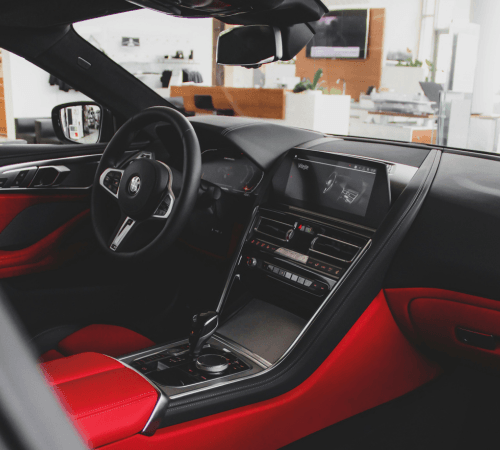
When we get into a car, most of us focus on engine power, fuel consumption, or the multimedia screen. But one of the most influential factors—often without us realizing it—is silence. So how do modern cars manage to be so quiet?
Why Is Silence So Important?
A quiet ride is not just about comfort; it’s also about safety and fatigue management. A driver constantly exposed to wind and road noise gets tired faster and loses concentration. That’s why car manufacturers now pay close attention to decibel levels.
What Happens on the Engineering Side?
Today’s cars use many smart solutions to reduce noise:
Acoustic glass: Windshields and side windows are now double-layered to filter outside noise.
Sound-insulating foams: Special materials are placed under the hood, inside doors, and on the floor.
Tire design: Modern tires are designed not only for grip but also for lower noise.
Wind tunnel testing: Car bodies are shaped to prevent wind noise.
Electric Cars Are Quiet, But…
Electric vehicles don’t produce engine noise, making them very quiet. However, road and tire noise become more noticeable. That’s why insulation is even more important in EVs. Some brands even add artificial engine sounds that are pleasant rather than disturbing.
What Does the Future Hold?
In the near future, we are likely to see:
Active noise cancellation systems (like in headphones),
Real-time sound adjustment based on road conditions,
Personalized quietness profiles for drivers.
Conclusion
What makes a car “good” isn’t just speed or design. Silence is one of the most important details shaping driving pleasure—often unnoticed. Next time you sit in a car, listen carefully. What you don’t hear might be the greatest engineering success.
Highly curated content, case studies, Riverside updates, and more.
Share this post:

Consumer Reports (CR), one of the most trusted independent organizations in the automotive world, has announced its Top 10 Best Vehicles for 2026. A key highlight of this year’s list is that all selected models are hybrid or electric, clearly showing the direction of the industry.
2 days ago
View Detail
When we get into a car, most of us focus on engine power, fuel consumption, or the multimedia screen. But one of the most influential factors—often without us realizing it—is silence. So how do modern cars manage to be so quiet?
4 days ago
View Detail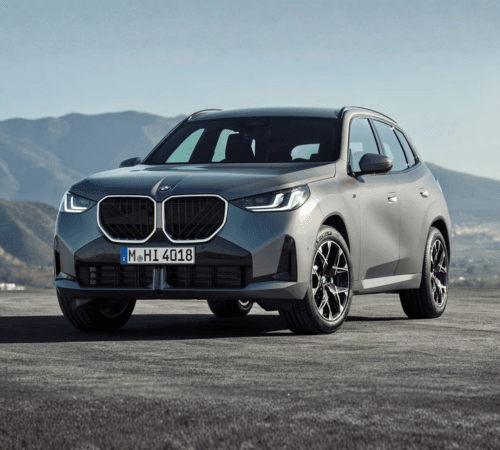
The automotive world has entered 2026 at full speed, and February has brought an especially exciting development for BMW enthusiasts. BMW has strengthened its position in the segment by introducing a new and sportier version of the X3 series: the BMW X3 30 xDrive M Sport Pro.
6 days ago
View Detail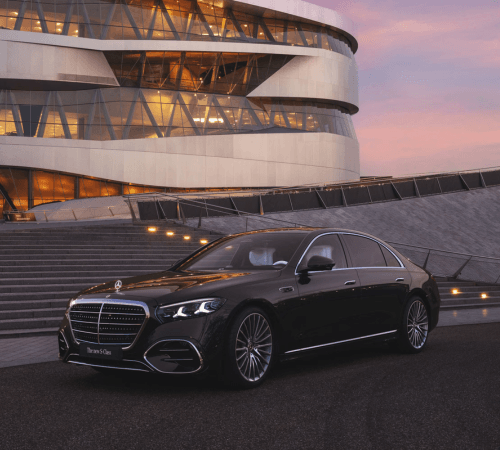
Mercedes-Benz’s flagship S-Class enters 2026 with a comprehensive update. This refresh goes far beyond minor tweaks — it introduces significant improvements in design, technology, comfort, and driving experience.
9 days ago
View Detail